
Who am I?
I’m an amateur gardener. I’ve been collecting, growing, (and losing) plants for at least 30 years. I started cultivating plants 5 floors up on a windy parapet in Central London and currently have a garden in Wiltshire. I write a monthly gardening article for the UK magazine LandScape, chronicling my ups and downs in the garden.
I am happy to deliver talks to gardening groups of 30 or more. The talks run for around 45 – 60 minutes. If you would like to consider me as a speaker please get in touch to discuss dates, location and fees. NB: I require a projector screen and stand for my talks.
Gardening talks
Scents and scentsability
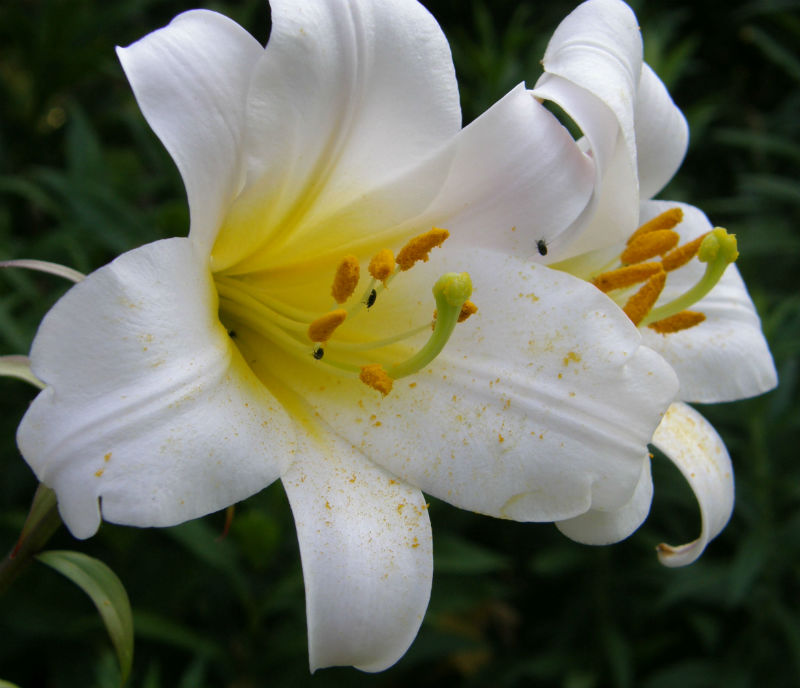
The scent of a flower or brushed by foliage can evoke memories of times and people past, give instant pleasure, or repulse! And yet gardeners often forget to factor scent into their plantings.
Smell is also an integral part of the act of gardening – weeding, turning over the soil, planting. Petrichor, rain falling on dry earth, releasing the bound-in scents. The overwhelming heady mix of scents in the air on a still, warm May evening.
This talk is a ramble around some of the many scented plants I know, grow or have grown. An eclectic trip through the seasons looking at familiar, and not so familiar and unusual scented plants that can be grown to enhance a garden. Get in touch
Plants with a past
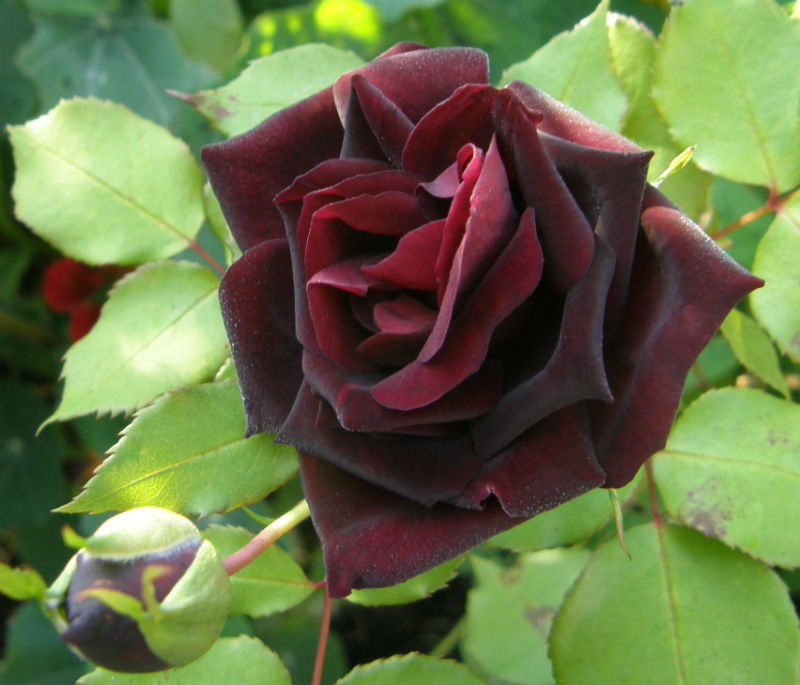
The plants with a past talk covers a wide-ranging cast of familiar, and less well-known, gardeners, artists, early botanists, plant collectors and plant breeders, and many other characters entwined in the histories of the plants we grow in our gardens.
From China along the silk road, via the sultans of Turkey, the elizabethans love of unusual flowers, to the Victorian plant hunters, and the influence of gardeners such as the imperious Ellen Willmott, multi-talented Gertrude Jekyll and galanthophile EA Bowles.
This plant journey includes roses, ferns, hollyhocks, tulips, pelargoniums, sweet peas, fuchsias, dahlias, peonies, and many more cottage garden and other favourites, most of which I grow, or have grown, in the past.
Find out why it was dangerous to be seen with sweet peas on a women’s suffrage march in 1913. Why dahlias are still known as georginas in Germany, and Charles Dickens’ favourite flower. Get in touch
Gardening with ornamental grasses
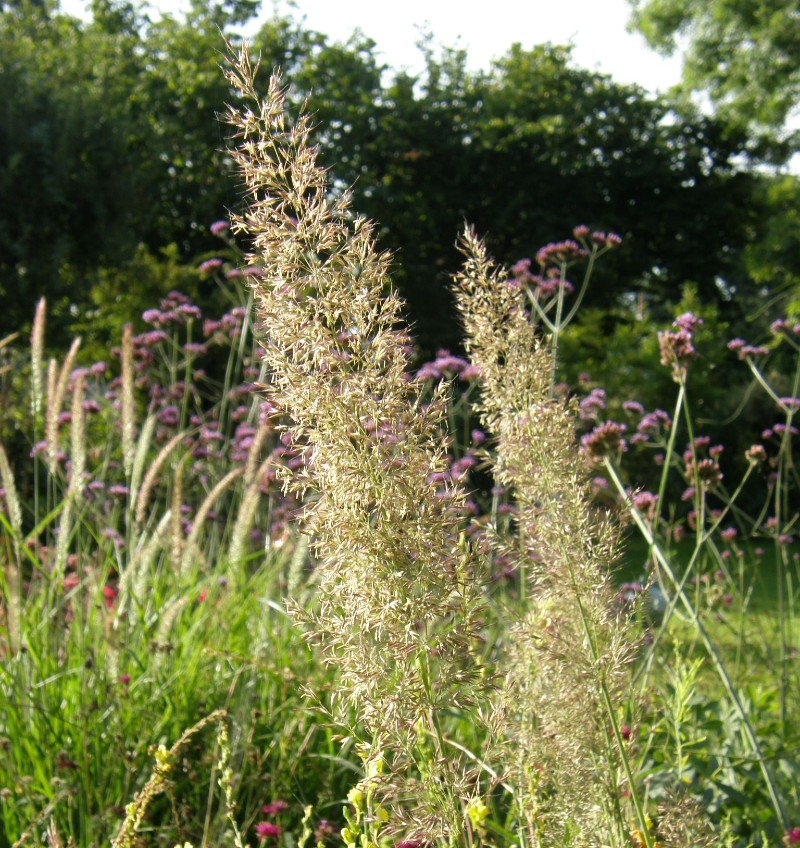
Ornamental grasses have grown steadily in popularity in our gardens since the 1990s, and are a mainstay of naturalistic New Perennial Movement plantings, and much used by urban and other garden designers to soften hard landscaped areas.
I will show plant / ornamental grass combinations from a number of well-known gardens and designers, where grasses have been used to create stunning, as well as subtle effects. We’ll also look at grasses specifically for hot dry conditions, and shade.
I finish by highlighting my current top 5 favourite grasses which grow in my own country garden, which is on clay, and includes both sunny areas and dry shade.
And answer the question – Can you have too many grasses in your garden? Get in touch
The not so humble umbel
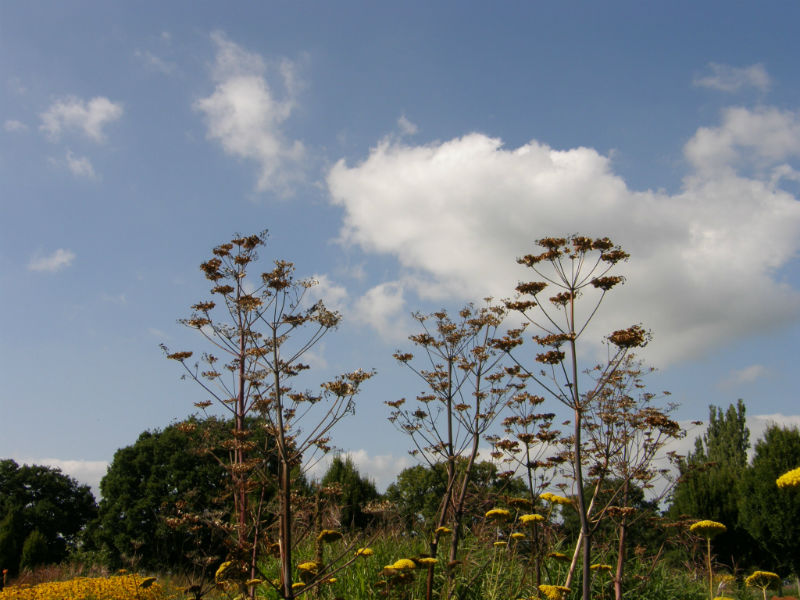
Umbellifers, especially the more unusual species are often overlooked or dismissed by gardeners. Mention umbellifers, (apiaceae), one might conjure up an image of a froth of wild Cow Parsley, (Anthriscus sylvestris), or Hogweed (Heracleum sphondylium) edging roadsides in spring and summer. But they are weeds! Who would want them in the garden?
An elegant shade planting featuring early summer flowering Baltic Parsley, (Cenolophium denudatum), or later on, the dramatic rich purple globes of Angelica gigas in flower, lift umbels into definitely garden-worthy plants. I’m still learning about this fascinating family, which also includes eryngium, astrantia, many spices, and of course carrots and parsnips!
In this talk I look at some of the decorative, definitely garden-worthy umbellifers, and how garden designers and plantsmen have incorporated this fascinating family into their designs, and how we gardeners can, and should, include more of them in our gardens too. Get in touch